Move, Play, Thrive Indoors: Happy Cats and Dogs Without a Yard
Energy and Instincts: What Their Bodies and Brains Crave Indoors
Cats: Vertical athletes with stealthy bursts
Dogs: Nose-led explorers needing structured outlets
Safety first: Surfaces, space, and supervision
Daily Routines That Fit Small Spaces
Scent, Puzzles, and Foraging That Beat Boredom

Indoor sniffaris and scatter feeds
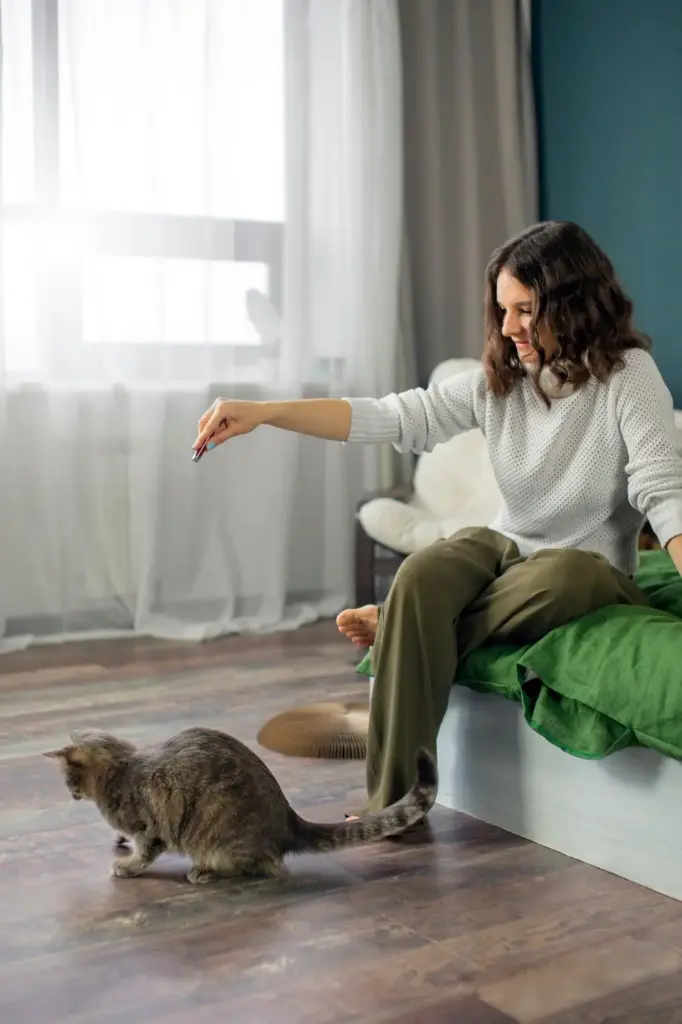
Puzzle feeders, snuffle mats, and food-dispensing toys
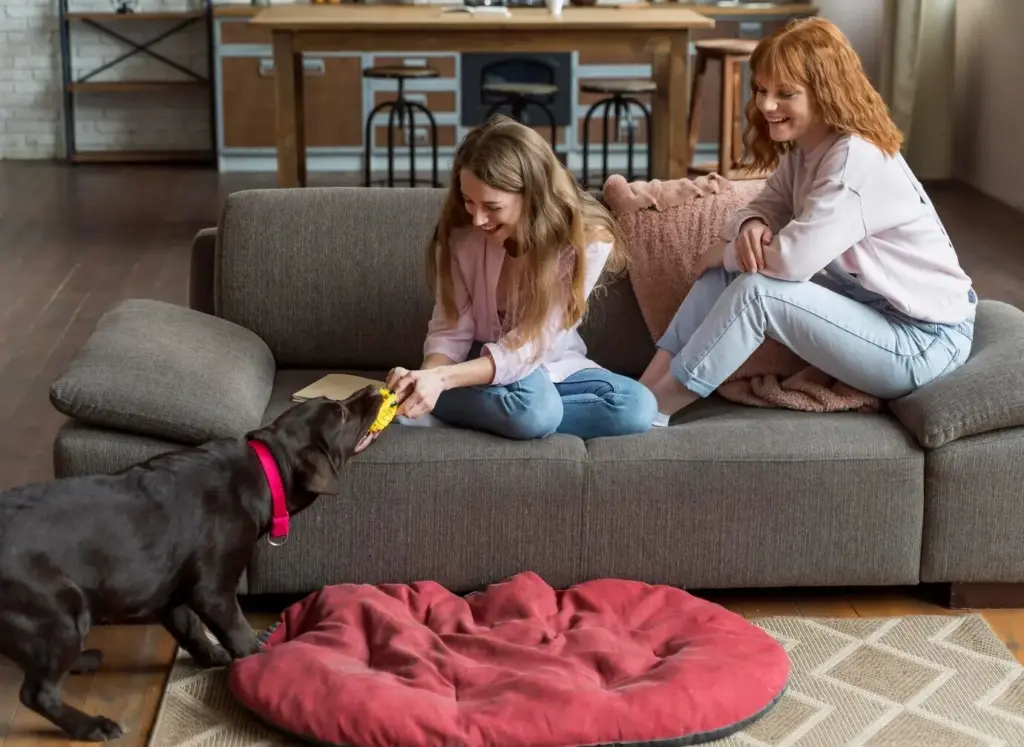
DIY enrichment from household items
Training That Tires: Brains Over Brawn
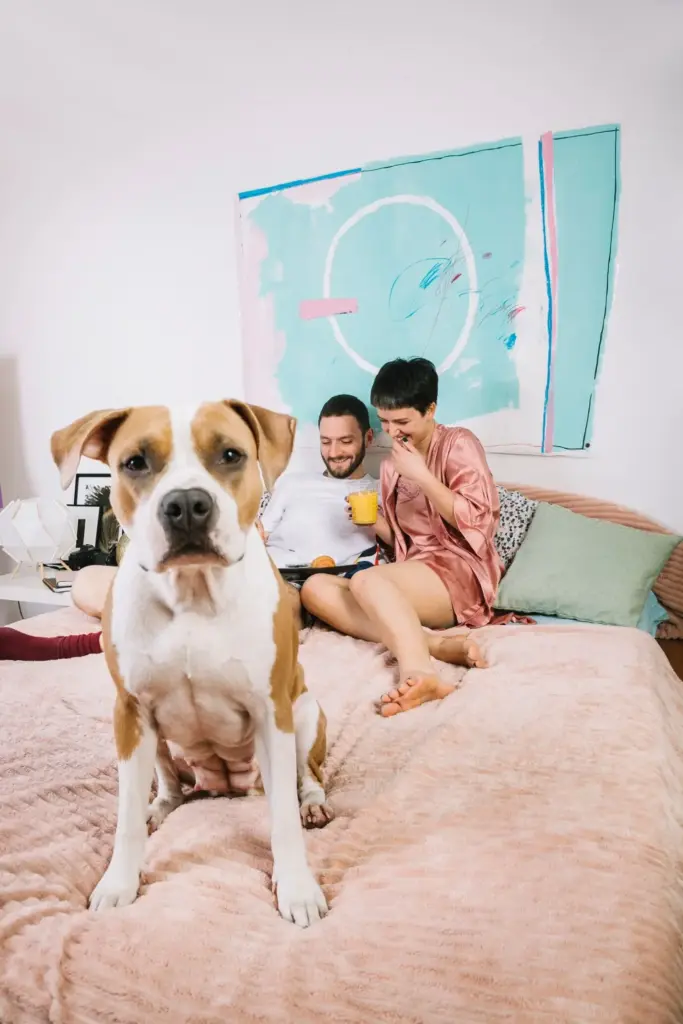
Five-minute micro-sessions with clickers or markers

Shaping tricks that build confidence and balance

Reading stress and satisfaction signals
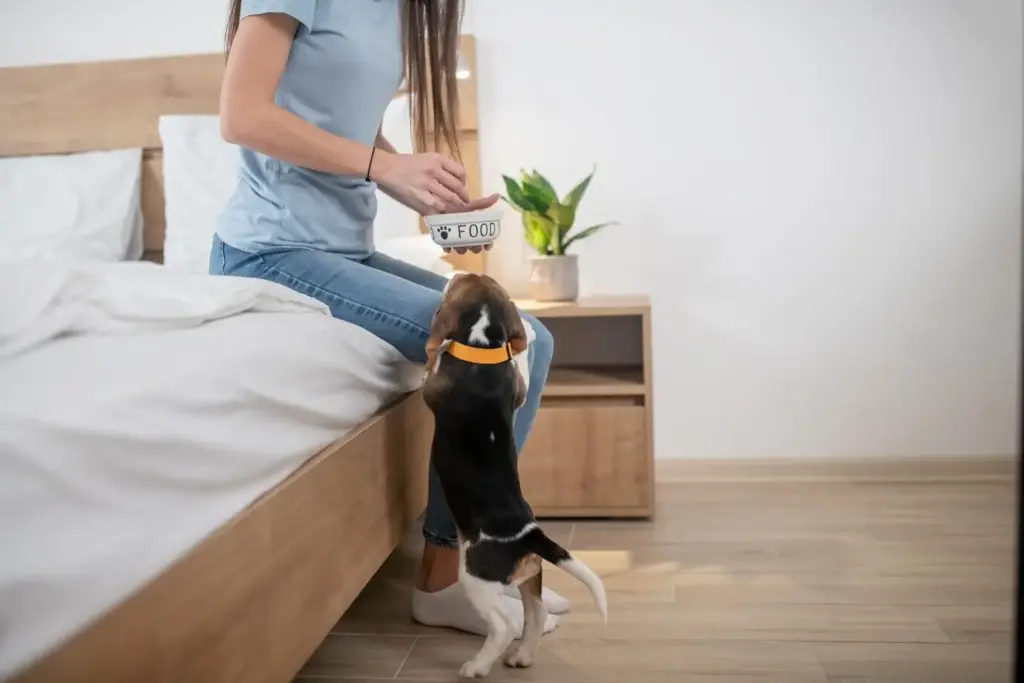
Design Your Space and Schedule for Success
Zoning the home: climb, chase, chew, and calm
Create clear functional areas. A climbing corner with shelves and a scratching post for cats; a chew station with washable mats for dogs; a hallway sprint lane for short bursts; and a quiet den for decompression. Use visual cues—rugs, low barriers, or distinct baskets—to signal purpose. Rotate toys across zones to maintain novelty while controlling arousal. Keep water nearby and stash treats out of reach. When zones are predictable, impulses soften, transitions smooth out, and indoor life becomes a reassuring rhythm rather than an unpredictable whirlwind for everyone.
Quiet-friendly activities for neighbors and roommates
Swap high-impact bouncing for controlled tug, nosework in boxes, towel unfolds, and gentle targeting. Choose soft toys, felt flirt poles, and rubber fetch balls that mute sound. Schedule energetic sessions during reasonable hours and reserve late evenings for foraging, puzzle feeders, and stretching. For cats susceptible to night zooms, add a dusk hunt routine followed by a snack. For dogs prone to barking, teach a mat settle with white noise and curtain management. Communicate your routine to roommates so expectations align and shared spaces remain welcoming for all.
Weekly calendar templates and habit stacking
Build a repeatable plan: Monday balance work, Tuesday scent games, Wednesday trick ladder, Thursday puzzle rotation, Friday decompression walk alternatives, weekend enrichment marathon-lite. Stack habits with your rituals—brew coffee, run a two-minute hand-target sequence; finish lunch, do a quick sniffari. Use timers and checklists to prevent decision fatigue. Celebrate small consistency wins rather than chasing perfection. When life gets busy, switch to a maintenance plan of micro-sessions. Post your favorite sequence in the comments, and we’ll feature reader schedules in upcoming community roundups for fresh inspiration.
Adjustments for Seniors, Puppies, Kittens, and Special Needs
All Rights Reserved.