Cozy Coexistence in Tiny Homes: Cats, Dogs, and You

Today we explore small-space living with cats and dogs, celebrating clever layouts, gentle routines, and joyful daily rituals that transform few square meters into a comfortable, healthy, and playful sanctuary. Expect practical hacks, warm anecdotes, neighbor-friendly etiquette, and design ideas that make every corner count. Share your wins, ask questions, and join our community for ongoing ideas that respect paws, people, and precious limited floor space.

Vertical Kingdoms for Felines and Shared Peace

Cats thrive when they can rise above commotion. Install narrow wall shelves, window perches, and a slender tower that doubles as a visual boundary between canine hustle and feline retreat. Upward territory expands perceived space, relieves tension around food bowls, and keeps fragile objects safe. Layer soft landings, add sisal edges, and allow at least one high, quiet lookout so curiosity never equals conflict.

Multifunction Furniture that Hides Pet Essentials

Choose benches with ventilated compartments for litter, ottomans that store leashes and toys, and a coffee table with a built-in crate den. One object, many jobs, less mess. Smooth, wipeable surfaces resist fur and odors, while hidden cable channels prevent chewing. Keep daily items front-of-hand yet visually calm. When essentials live inside furniture, rooms feel larger, routines speed up, and stress dwindles.

Training that Fits Studio Apartments and Busy Schedules

Mat Magic: Portable Calm for Dogs and Curious Cats

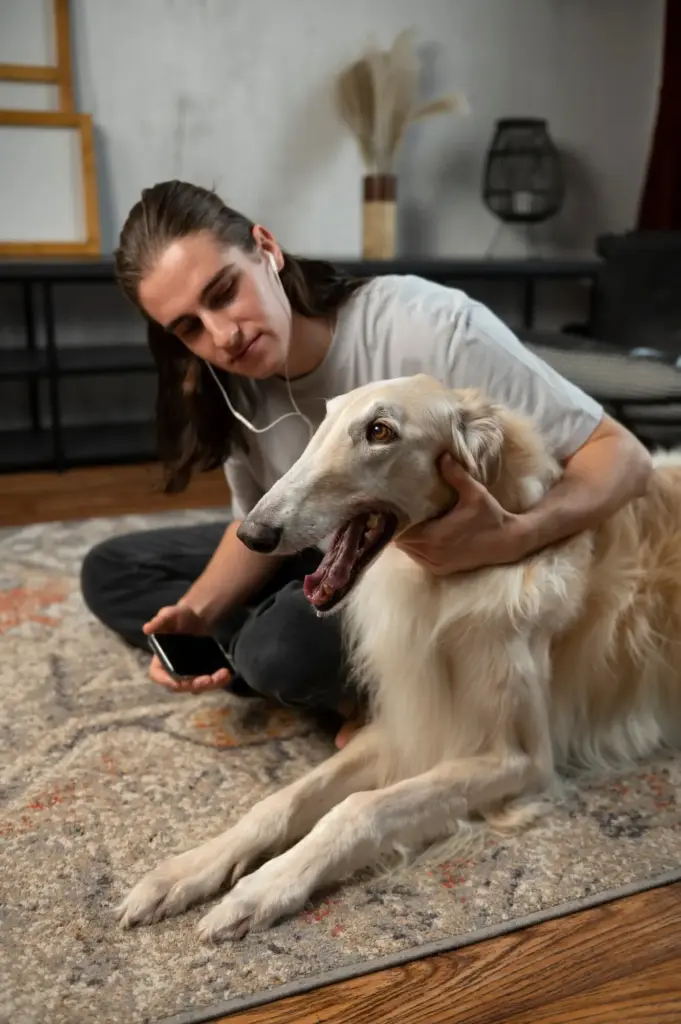
Teach a relaxed down on a mat that travels from kitchen to sofa to balcony. Reward stillness, soft eyes, and chin resting. The mat becomes a portable signal for quiet, even during deliveries or video calls. Cats often join, kneading contentedly beside canine friends. This single skill reduces bouncing at guests, protects cooking zones, and gifts everyone a reset button during cramped, exciting moments.

Hallway Manners and Elevator Grace

Practice sit-and-look before exiting your door, reward loose-leash steps, and maintain a polite distance in shared corridors. For elevators, wait until others exit, step in calmly, and use a corner to turn arousal down. Clip a treat pouch by the entrance to reinforce good choices quickly. Polished etiquette prevents awkward interactions, keeps building managers supportive, and makes short walks feel beautifully predictable and relaxed.

Litter Box Rules and Doorway Patience

Place the litter area where canine curiosity is least likely, adding a gated entry or top-entry design for privacy. Reinforce dog settle near the door when visitors arrive, pairing calm with treats. Maintain a cleaning ritual that happens at consistent times. This pairing of feline dignity and canine patience reduces stress, minimizes tracking, and preserves a peaceful threshold, even when deliveries, friends, or maintenance surprise your routine.

Rotating Toy Library to Renew Excitement

Divide toys into weekly bundles and store the rest in breathable bags. Rotation turns old favorites into thrilling discoveries, reduces floor clutter, and protects wallets from impulse buys. Record which textures or puzzle types light up each pet. For tiny apartments, novelty equals enrichment without adding bulk. You’ll notice calmer evenings, better independent play, and fewer midnight zoomies as variety meets manageable, predictable access.

Discreet Litter Solutions with Real Ventilation

Convert a cabinet with a side entry and hidden carbon filter, or choose a sleek covered box with strategic airflow. Ventilation matters as much as aesthetics; stagnant air encourages odors and feline avoidance. Position the setup away from food zones, off main walkways, and easy to scoop. With thoughtful engineering, hygiene improves, privacy increases, and living areas remain welcoming, even when friends drop by unannounced for coffee.

Entryway Stations that Tame Mud, Fur, and Gear

Install a narrow shelf with hooks, a shallow tray for paws, and a quick-dry towel rolled inside a wall-mounted basket. Corral treats, spare bags, and a compact brush into a labeled caddy. The entire walk ritual stays within arm’s reach, preventing gear sprawl across the sofa. Cleaner thresholds cut cleaning time, protect floors, and set a confident, organized tone the moment you step inside together.

Indoor Enrichment: Big Adventures in Small Footprints
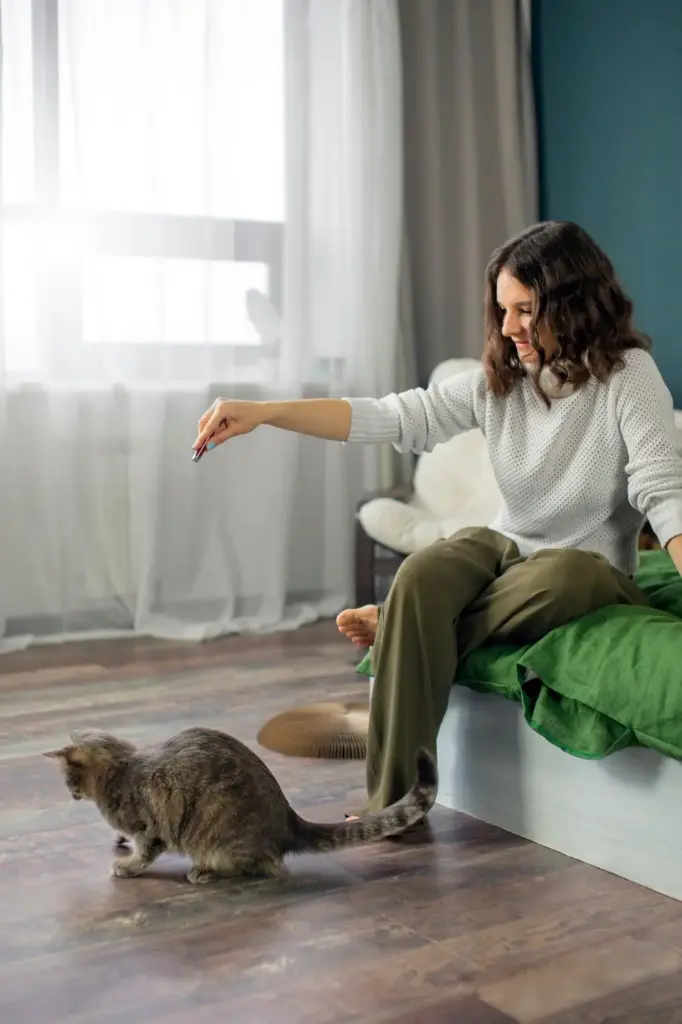
When outside time is limited by weather, work, or city life, imaginative indoor play keeps bodies exercised and minds satisfied. Focus on scent games, gentle puzzles, and quiet exploration rather than frantic cardio. Mix micro-workouts with restful decompression so excitement stays balanced. A curtain of dangling toys, a snuffle mat treasure hunt, and window bird-watching create variety that fits even narrow hallways and slim living rooms.

Scent Trails and Foraging Quests

Hide high-value crumbs along a winding wall path, under chair rungs, and behind safe obstacles. Dogs engage their super noses; cats stalk like miniature tigers, confident and alert. Keep clues gentle, gradually increasing difficulty. Mental work tires faster than sprints, supporting quieter afternoons in limited space. Document favorite hiding spots and swap them weekly to maintain novelty without adding new gear or rearranging furniture constantly.

Micro Workouts with Clicker Confidence

Teach tiny behaviors—target nose to hand, spin, bow, hop onto a low platform, then settle. Each rep lasts seconds, but strings into satisfying sequences. The click marks clarity; the reward builds enthusiasm. Cats enjoy target sticks and gentle platforms; dogs beam through precision sits. Three short sessions a day create skill, burn energy in minimal space, and strengthen communication that carries into walks and elevator rides.

Peace with Neighbors: Quiet Homes in Shared Buildings

Apartment living invites collaboration. Prevent complaints by treating sound, smell, and hallway manners like part of your daily routine. Simple padding under furniture, door sweeps, and soft music can soften barks or dramatic kitty thumps. Share schedules for noisy deliveries, use scent-neutral cleaning, and respond graciously to concerns. When you demonstrate care, neighbors become allies, and your tiny sanctuary thrives inside a supportive, respectful community.
Layer rugs with felt pads, stick acoustic panels behind art, and place bookcases along shared walls. White noise or gentle radio masks sudden elevator dings that trigger barking. For cats, soft landing zones tame nighttime parkour. These subtle changes protect rest for everyone, encourage tolerant neighbors, and feel stylish rather than bulky. The goal is thoughtful quiet, not silence—comfort that accumulates through small, repeatable tweaks.
A quick check for traffic before opening your door, a practiced heel past cracked doors, and a friendly greeting when appropriate keep interactions smooth. Clip ID tags securely and keep leashes short in tight spaces. Offer your pet an easy cue—“watch me”—to dodge surprises. Regular kindness becomes reputation capital, reassuring even cautious residents that shared spaces are predictable, clean, and navigable for all bodies and comfort levels.

Health, Grooming, and Fresh Air in Compact Homes

Well-being thrives on routine. Short grooming sessions prevent shedding storms, scheduled cleaning keeps allergens down, and ventilation transforms corners into breathable retreats. Build a micro first-aid kit and connect with telehealth for quick guidance. When upkeep is gentle rather than marathon, animals cooperate and humans stick with it. Your space smells clean, fur manages itself, and everyone relaxes more deeply in a polished, cozy haven.
Malokanufipifo
Privacy Overview

This website uses cookies so that we can provide you with the best user experience possible. Cookie information is stored in your browser and performs functions such as recognising you when you return to our website and helping our team to understand which sections of the website you find most interesting and useful.