Quiet Harmony in Multi-Pet Apartments

Today we explore noise management and neighbor etiquette for multi-pet apartment dwellers, blending practical training, smart environmental tweaks, and thoughtful communication. Expect actionable steps you can try tonight, stories that prove change is possible, and gentle reminders that community comfort matters. Share your wins or questions in the comments, invite a friend who could use calmer mornings, and subscribe for weekly strategies that keep paws playful, voices soft, and relationships with neighbors warm and resilient.

Everyday Triggers You Might Overlook

Keys jangling at the door, a parcel drop on concrete, scooters on the street, or the faint squeak of a neighbor’s cart can startle sensitive animals. Catalog these moments for a week and you will recognize patterns faster than you expect. Once you see the rhythm, you can cushion contact points, redirect attention before the spike, and time walks or play to preempt the clamor that otherwise grows into barking, yowling, or anxious pacing between rooms.

Reading Pet Body Language Before Sound Escalates

Quiet begins long before the first bark or meow. Watch for micro-signals: ears flicking toward the hallway, tail set higher than usual, pupils widening, or breath changing after a distant knock. Interrupt gently with a scatter of treats, a sniffing mat, or a cue to rest on a mat. Catching the moment of arousal, not the outburst, rewires expectation. Over time, your pets learn that unusual sounds forecast calm rewards and predictable guidance, not frantic responses.

Stacking Triggers in Urban Halls and Elevators

Elevators, echoing lobbies, and intersecting stairwells can stack triggers faster than a novice handler can react. A sliding door opens, a stroller rolls out, and a delivery cart squeals, all within seconds. Plan routes that give extra space, wait a cycle if the car is crowded, and practice reinforcement for eye contact in neutral corners. Small delays shift the environment from overwhelming to manageable, keeping your pets under threshold and your neighbors pleasantly surprised by the peaceful encounter.

Training for Quieter Days

Skills make serenity repeatable. Prioritize methods that build trust and reduce arousal: desensitization to predictable noises, reinforcing silence like any other behavior, and group management for households with more than one animal. Avoid punishment that suppresses signals while raising stress. Clear criteria, tiny steps, and generous rewards produce durable habits. Think short sessions, frequent breaks, and realistic expectations. With consistent practice, your animals learn that human guidance is reliable, and neighbors experience your household as considerate and steady.

Desensitization Done Kindly

Record the actual hallway sounds or door chimes that trigger your pets, then play them at a barely noticeable volume while offering calm treats or chew enrichment. Over days, raise volume slightly, always below the point of agitation. End sessions early and successful. This approach reshapes emotional responses rather than forcing control. Neighbors feel the difference when your pets choose ease, and you gain confidence knowing you taught resilience instead of simply muffling reactions for a moment.

Capture Calm: Reinforcing Silence

Keep treats or a quiet marker cue handy when your pets listen to a distant noise and choose stillness. Mark the silence, feed generously, and release to something soothing like a snuffle mat. Silence becomes a behavior with value, not an absence to scold about. Over time, you can add duration, reward soft eye contact, and ask for a relaxed station on a bed. Neighbors hear nothing unusual, while your pets discover serenity pays consistently and predictably.

Shaping the Environment

Architecture can collaborate with your training. Soft surfaces absorb clatter, strategic placement of furniture breaks echo paths, and inexpensive seals soften doorframe gaps. White-noise machines, fans, and gentle music mask hallway chatter without creating new disturbances. Thoughtful layouts separate exciting zones from resting spaces. These choices transform your apartment into a buffer that protects your pets’ nervous systems and your neighbors’ comfort, making quiet a structural feature rather than an exhausting daily negotiation with unpredictable sounds.

Communication and Etiquette with Neighbors
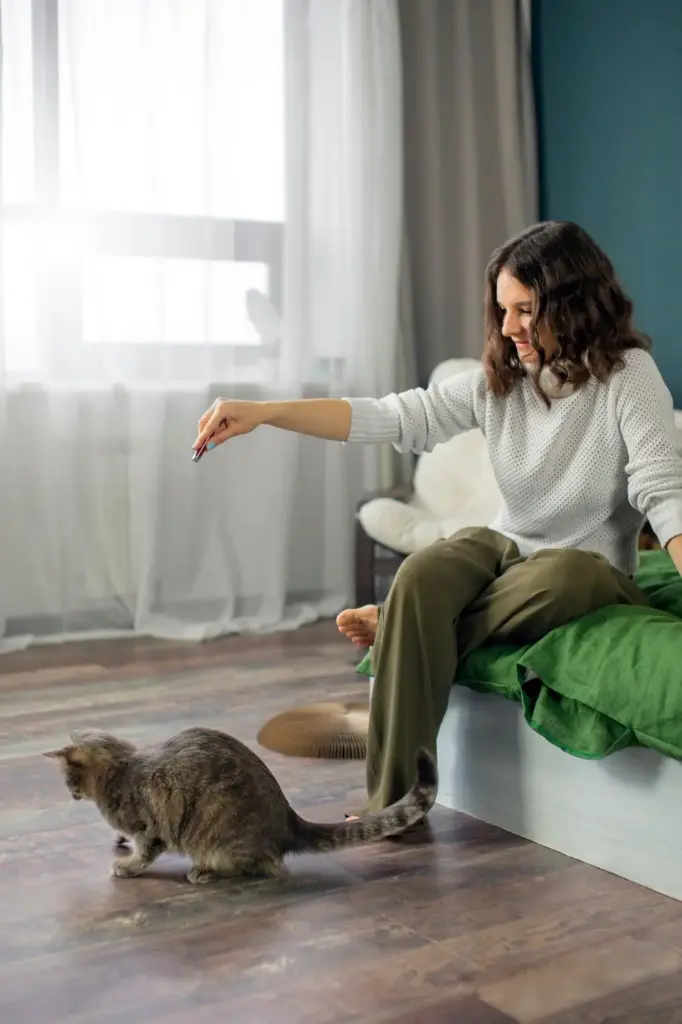
Kindness travels faster than sound. Introduce yourself early, explain you share walls with several animals, and invite feedback before issues escalate. Offer your schedule, exchange contact info, and propose quiet hours you actively respect. When missteps happen, respond quickly with empathy and concrete fixes. A small note, a sincere apology, and visible adjustments restore trust. This courteous loop turns potential friction into collaboration, making your floor feel like a community that roots for everyone’s comfort and routine.

Introductions that Build Goodwill

A friendly handshake in the hallway beats a complaint email after a long day. Share a short card with your number, mention your pets’ names, and state you are working on calm routines. Ask about their quiet preferences and commitments, too. Humans appreciate feeling heard. Later, send an update on improvements, reinforcing that you follow through. These small gestures reduce assumptions, inspire patience during training phases, and open a door for help if an unexpected noise spike occurs.

When Complaints Arrive: Respond with Grace

Treat a complaint as data, not a verdict on your character. Thank the neighbor, ask for specifics, and outline immediate steps you will take. Follow up with evidence of changes—photos of door sweeps, a revised walking schedule, or proof of training sessions. Offer a timeline to reassess together. This approach transforms tension into problem-solving. Even if the noise took two buildings to create, your willingness to adjust signals respect, and respect invites reciprocal understanding that lasts beyond one incident.

Daily Routines that Burn Energy, Not Bridges

Many noise problems are energy problems in disguise. Structured mornings, targeted enrichment, and soothing evenings keep arousal from overflowing into vocalization or chaotic zoomies. Think predictable patterns that your animals can trust: exercise before crowded hours, brain games when deliveries peak, and wind-down rituals before bedtime. When energy flows intelligently, your apartment becomes a sanctuary, your neighbors notice the difference, and you regain precious quiet minutes that make urban living feel possible, supportive, and even surprisingly cozy.

Morning Rituals that Prevent Noon Meltdowns

Front-load physical and mental engagement: a brisk walk, a sniffari on quiet streets, or a flirt-pole session followed by calm chewing. Finish with five minutes of mat relaxation and a predictable feeding routine. This sequence satisfies core needs before midday commotion rises. Your pets approach lunch deliveries with soft eyes instead of buzzing nerves. Over time, the building will associate your household with easy mornings and peaceful elevators rather than frantic sprints and echoing excitement that travels between floors.

Enrichment that Occupies Minds, Not Hallways

Rotate puzzle feeders, scent trails, cardboard shredding projects, and frozen lickable treats that encourage long, quiet focus. Avoid bouncing toys in echo-prone rooms; choose snuffle mats on rugs to keep activity muffled. Schedule enrichment for times when footsteps outside peak, and layer soft music to mask ambient thumps. Mental work tires animals efficiently without rattling neighbors, letting your training gains compound. Consistency here means fewer outbursts and a reputation as the apartment that somehow stays calm during rush hour.

Calm Evenings that Respect Rest

As the day winds down, dim lights, shift to low-energy games, and offer gentle grooming that many animals find deeply relaxing. A final bathroom break well before bedtime prevents restless pacing near shared walls. Place chewables in designated rest zones so sound stays contained. Send neighbors a thoughtful heads-up before hosting a rare visitor after hours. These habits frame quiet as a gift you offer the building nightly, and the building, in turn, offers your pets deeper, uninterrupted sleep.

Reading Lease Clauses Like a Pro

Highlight sections on noise, flooring, alterations, and complaint procedures. Ask in writing whether door sweeps, rug pads, or acoustic panels are permitted. Clarify consequences so surprises do not appear after the first misunderstanding. Keep emails organized to demonstrate diligence if disputes arise. When management sees thoughtful planning, they are more inclined to collaborate, approve reasonable modifications, and view your household as invested partners in maintaining a peaceful, respectful environment that benefits neighbors on every side.

Fair Housing, Service Animals, and Respect

Know the distinctions among service animals, emotional support animals, and pets, along with relevant documentation requirements and protections. Communicate openly without disclosing private details you are not obligated to share. Advocate for accessibility while honoring building comfort. Courtesy remains universal: training, cleanliness, and noise prevention help regardless of legal category. When you model respect for both rights and responsibilities, neighbors witness integrity in action, reducing suspicion and fostering a floor culture that welcomes needs without sacrificing quiet.

When Rehoming or Professional Help Is the Kindest Path

Sometimes the most compassionate choice involves outside support. A certified trainer, veterinary behaviorist, or pet sitter can shift momentum quickly. In rare cases, rehoming an animal to a quieter environment is the humane option that protects everyone’s stress levels. Approach decisions without shame and with honest assessment of resources, time, and your animals’ welfare. Neighbors appreciate transparency and effort, and your household regains stability rooted in care rather than stubbornness, enabling peace to return sustainably and kindly.

Policies, Rights, and Responsible Choices

Understanding rules protects harmony. Read leases closely, ask managers about acceptable modifications, and learn local ordinances related to noise. Distinguish pets, service animals, and assistance animals to communicate appropriately and respectfully. Keep documentation of training steps and vet visits to show good-faith effort. If challenges persist, seek professional trainers or veterinary behaviorists. Owning several animals in shared housing is a privilege that thrives on transparency, empathy, and the courage to choose solutions that serve everyone’s well-being.
Malokanufipifo
Privacy Overview

This website uses cookies so that we can provide you with the best user experience possible. Cookie information is stored in your browser and performs functions such as recognising you when you return to our website and helping our team to understand which sections of the website you find most interesting and useful.