City-Safe Balconies, Windows, and Catios Pets Actually Use
We explore safe balcony, window, and catio setups for urban cats and dogs, blending protective design with daily routines that fit apartment life. Expect clear build options, training ideas, material tips, and small-space inspiration that keeps paws secure while preserving light, airflow, and neighbor-friendly harmony. Share your layout to get tailored suggestions in future posts.
Begin With Space, Species, and Street-Level Reality
Before buying netting or building a frame, evaluate your apartment’s orientation, balcony depth, railing style, window types, and the personalities of the animals who will explore them. High-traffic noise, pigeons, wind tunnels, and landlord rules shape your plan as much as any tool. Describe your floor, exposure, and pet quirks in comments to refine recommendations.
Prevent Falls and Escapes With Layered Protection
Safety happens in layers: sturdy barriers, controlled entrances, and reliable closures, reinforced by training and supervision. In apartments, insect screens alone are never load-bearing. Treat edges, corners, and hinge zones as critical points. Build redundancy so one failure does not create disaster. Visual checks and quick-release access for emergencies complete a humane, practical safety mindset.
Smart Build Options and Materials That Last
From freestanding catios to clamp-on balcony frames, good builds prioritize strength, cleanability, and reversibility. Stainless or powder-coated hardware tolerates weather and city grit. Floor protection prevents pooling and damage. Plan service panels so you can reach corners, remove debris, swap mesh sections, and sanitize without dismantling everything during a weekday evening or stormy weekend.
Freestanding, Modular, or Custom: Picking the Path
Kits simplify geometry and fastener counts, while custom wood or aluminum frames adapt to odd niches and overhangs. Freestanding catios avoid drilling and suit renters. Modular panels allow future growth or moves. Anchor to weighted bases if drilling is restricted. Always keep a human-sized access path for cleaning, medical emergencies, and easy enrichment refresh cycles.

Mesh, Fasteners, and Corrosion Control
Choose stainless or hot-dipped galvanized mesh to resist rust, confirm gauge and aperture match pet size, and use continuous fastening strips for even tension. Avoid mixed metals that galvanically corrode. Cap sharp cut edges with protective channel. In salty or polluted air, rinse quarterly. Document hardware sizes so you can re-order exact replacements when maintenance arises.

Comfort, Enrichment, and Species-Specific Joy
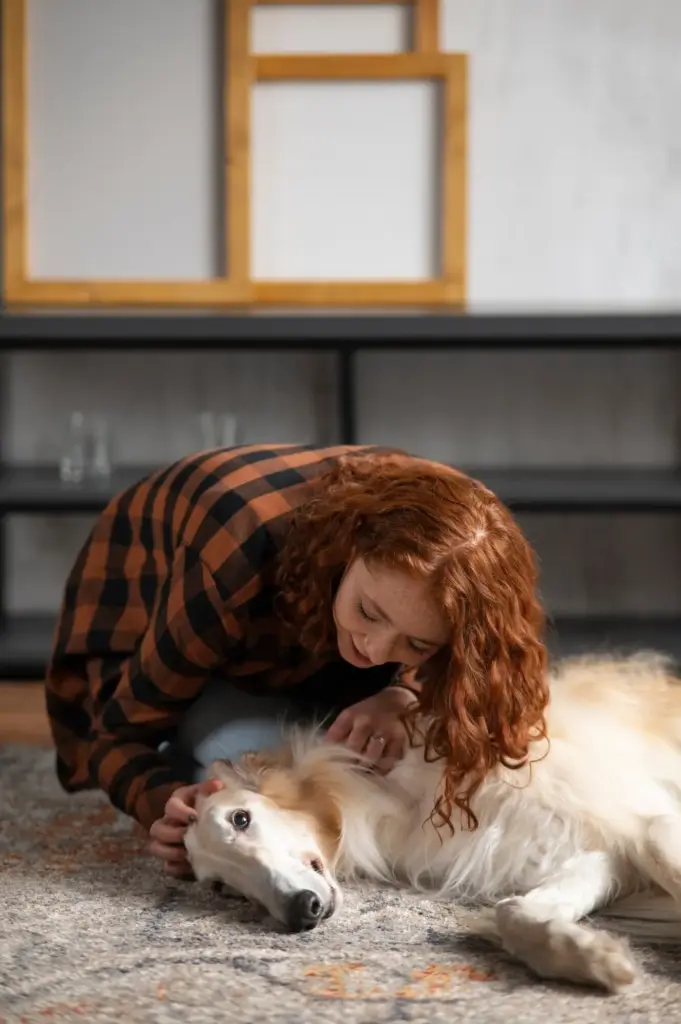
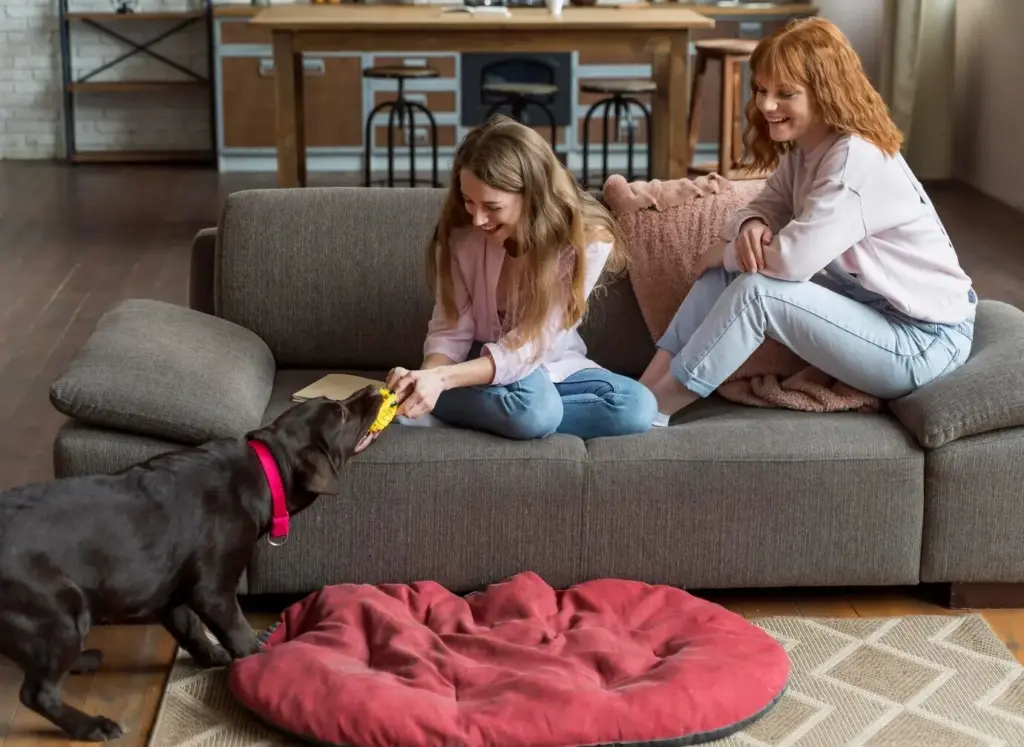
Safety invites use only when paired with comfort. Offer shade, traction, and varied vantage points. Rotate scents and textures. Cats favor vertical paths and hideaways; dogs appreciate predictable routines, stable footing, and calming views. Use enrichment that reduces reactivity, not amps it up. Ask readers to share what their pets choose first when doors open each morning.

Training, Supervision, and Daily Routines
Design is half the equation; behavior makes it real. Introduce spaces gradually, rewarding calm investigation. Supervise until habits prove reliable. Tie routines to weather, traffic rhythms, and mealtimes. Practice emergency recalls. Keep a checklist: latch checks, screen inspections, water bowls, and shade verification. Invite readers to share routine templates that worked for their busy schedules.
Shade, Windbreaks, and Seasonal Comfort
Combine breathable shade cloth, UV sails, or polycarbonate panels to block harsh sun and gusts while preserving airflow. Avoid fully sealing spaces that trap heat. Offer insulated pads in winter and cooling mats in summer. Keep water accessible. Monitor microclimates at different heights; temperatures at railings may differ drastically from floor level, especially on reflective facades.
Quiet, Clean, and Kind to Shared Spaces
Reduce tapping and rattles with rubber isolators on frames. Use enzymatic cleaners to prevent odors drifting to neighbors. Schedule supervised time during considerate hours. Store toys tidily. Add privacy film or tall planters where lines of sight provoke barking. Share your maintenance routine in comments to inspire others and keep buildings friendly toward pet-forward living solutions.
Landlords, HOAs, and Building Codes
Submit clear diagrams with non-invasive fastening details, weight loads, and egress access. Highlight reversibility for move-out. Confirm facade rules, balcony waterproofing constraints, and historical district restrictions. Fire codes may require unobstructed pathways; include quick-release access. If allowed, schedule a brief inspection. Keep receipts, materials lists, and photos; approvals come faster when documentation answers questions preemptively.
All Rights Reserved.