Move, Play, Thrive Indoors: Happy Cats and Dogs Without a Yard

Today we dive into indoor exercise and enrichment plans for cats and dogs without a yard, turning limited space into limitless opportunity. You’ll discover creative routines, evidence-informed ideas, and playful challenges that build fitness, confidence, and calm. Expect practical schedules, species-specific tips, and engaging games that satisfy instincts, reduce stress, and strengthen your bond. Share your successes, ask questions, and subscribe for weekly ideas that keep tails wagging and whiskers twitching, regardless of weather, square footage, or apartment rules.

Energy and Instincts: What Their Bodies and Brains Crave Indoors

Cats: Vertical athletes with stealthy bursts

Most cats thrive on short, explosive hunts followed by recovery. Mimic the stalk–pounce–capture–kill sequence with wand toys, obstacle placements, and soft landings. Rotate perches, hide rewards at varying heights, and end play with a small snack to satisfy completion instincts. Two or three five-minute sessions can outperform one long session. Track preferences—feather, string, or crinkle—and avoid frustration plateaus by varying speed and direction. Celebrate wins with calm praise, gentle grooming moments, and a predictable wind-down ritual that tells their body it’s time to rest comfortably.

Dogs: Nose-led explorers needing structured outlets

Many dogs meet emotional needs through scent and purposeful movement. Replace open-yard freedom with structured hallway intervals, scatter-feeding sniff sessions, and controlled tug or fetch against a soft barrier. Focus on start and stop cues, impulse control, and decompression after activity. Rotate scent profiles—herbs, teas, or safe essential oil hydrosols on fabric pouches—so novelty stays high. Emphasize short, frequent sessions to prevent over-arousal. Finish with mat relaxation and a chew to promote serotonin. Document which games settle your dog quickest, then repeat those patterns consistently throughout the week.

Safety first: Surfaces, space, and supervision

Indoor workouts demand thoughtful safety habits. Use non-slip rugs, foam tiles, or yoga mats to protect joints and prevent slips, especially near corners and doorways. Keep fragile decor high and cords bundled. Supervise tug intensity and landing zones for high jumps, especially for young or senior animals. Avoid laser-only sessions; always allow a physical catch to prevent frustration. Store treats out of reach and use secure puzzle feeders sized properly. When in doubt, lower height, reduce speed, and prioritize controlled movements that train balance, coordination, and confidence gradually.

Daily Routines That Fit Small Spaces

Compact homes can deliver powerful workouts with clever sequencing. Short intervals, micro-rests, and enriched calm-downs produce better behavior than random hyperactivity. We’ll combine hallway sprints, vertical circuits, targeting games, and decompression routines that complement work-from-home schedules. Expect templates that adapt to studios, shared houses, and narrow corridors. We’ll show you how to stack habits with coffee breaks, lunch pauses, and evening wind-downs, so consistency becomes effortless. By tracking arousal curves and recovery quality, you’ll balance stimulation and serenity without draining your own energy or patience.

Scent, Puzzles, and Foraging That Beat Boredom
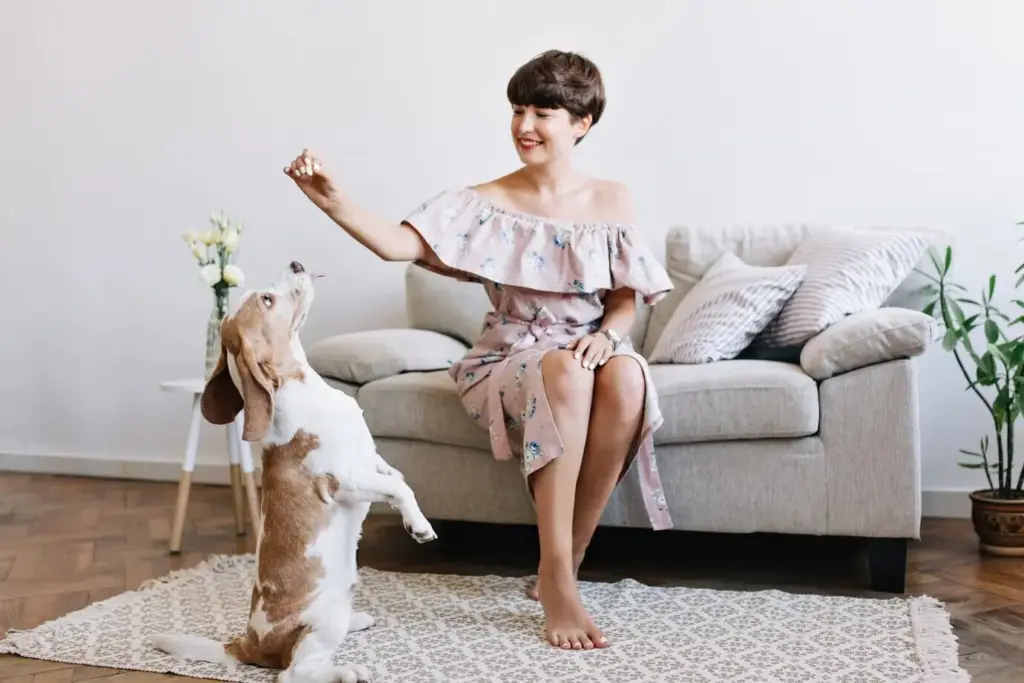
Indoor sniffaris and scatter feeds
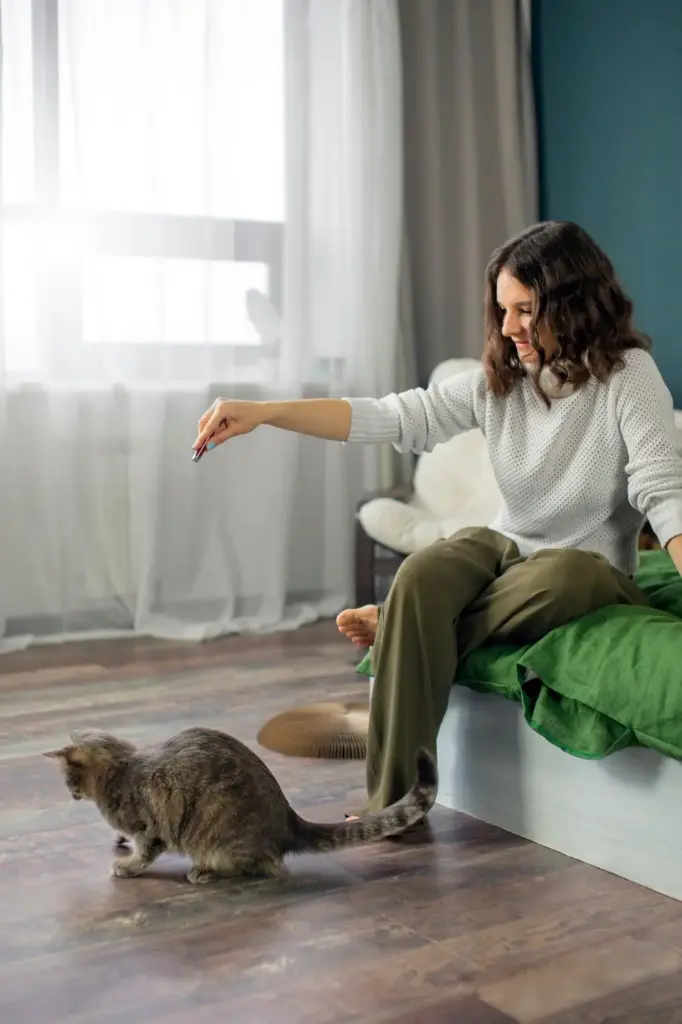
Transform a small room into a scent adventure by hiding kibble in safe crevices, folded towels, and under plastic cups. For cats, spread tiny treats across elevated paths to encourage exploration. For dogs, vary difficulty by mixing easy finds with deeper hides. Mark start and finish with a cue so expectations stay clear. Keep first sessions short to build success, then add mild distractions. Track tail, ear, and whisker signals to gauge difficulty. End with a drink of water and a soft resting place to reinforce calm completion.

Puzzle feeders, snuffle mats, and food-dispensing toys
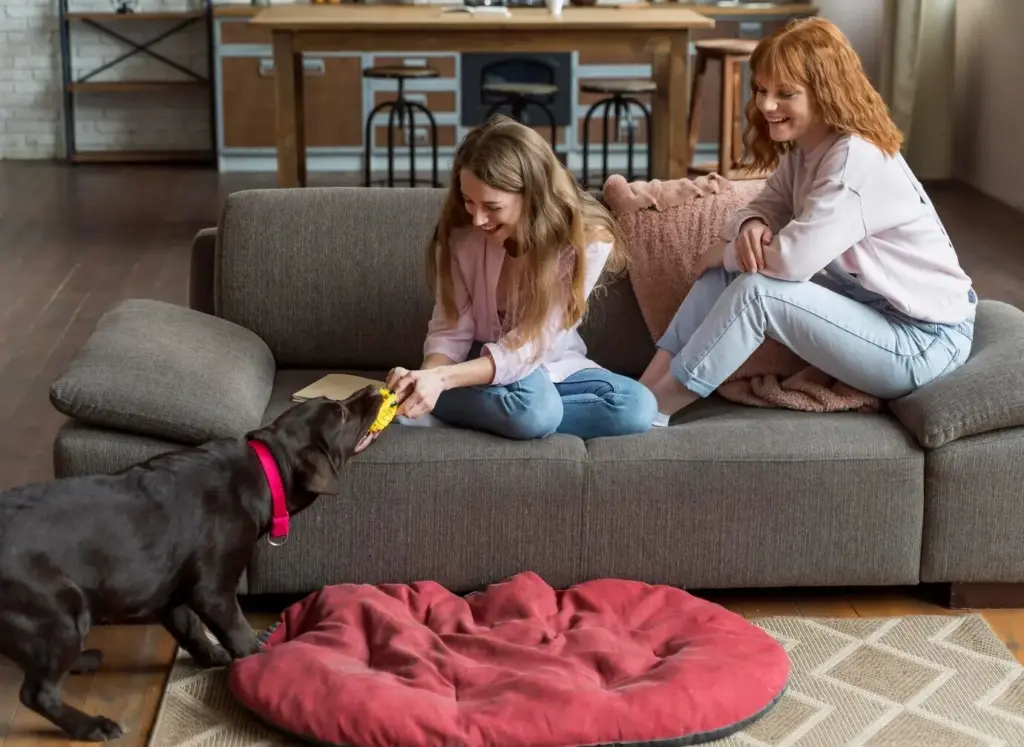
Rotate two to three puzzle types per week to preserve novelty. Use snuffle mats for decompressing after exciting play, and tougher rollers or sliders before naps to promote fatigue. Mix wet and dry textures in freezer-safe toys for longer sessions. For cats, try slow-rolling balls with large openings and scatter kibble inside paper eggs. For dogs, pair a chew with a simple puzzle to prevent frustration. Clean tools regularly, adjust portion sizes, and note which textures produce the most focused engagement, then repeat those patterns during busy workdays.

DIY enrichment from household items

Save money and spark curiosity by upcycling. Create a muffin-tin puzzle with tennis balls, a towel burrito with hidden snacks, or a cardboard city with peek holes and dangling yarn. Ensure all materials are safe, supervised, and properly sized. Customize difficulty by tightening wraps or adding layers. Add scent variations like cinnamon sticks sealed in sachets stored nearby, not ingested. Photograph your best builds and share them to inspire others. Keep a weekly rotation list on the fridge so enrichment never stagnates and creativity becomes a satisfying household habit.

Training That Tires: Brains Over Brawn
Five-minute micro-sessions with clickers or markers

Use a consistent marker word or clicker, a handful of treats, and a quiet mat. Train two behaviors per session, three repetitions each, then end before enthusiasm dips. Alternate focus tasks like hand targets with calm tasks like chin rest. For cats, add high-value lures sparingly to maintain autonomy. For dogs, practice start-button behaviors that let them opt in. Log wins in a simple notebook. This predictable cadence builds momentum, makes progress measurable, and shows your companion that learning together is safe, fun, and reliably well-timed.

Shaping tricks that build confidence and balance
Teach practical, joint-friendly tricks: paws up on a low stool, pivoting rear feet around a book, or slow spins in both directions. For cats, target stick approaches and paw touches encourage coordination without pressure. Reinforce micro-steps—glances, weight shifts, brief contact—to prevent frustration. Celebrate curiosity generously. Keep surfaces grippy and heights conservative. Filming sessions helps you spot tiny improvements and adjust criteria. Over time, these balanced movements strengthen stabilizers, refine body awareness, and create a shared language that pays dividends during vet visits, grooming, and household transitions.

Reading stress and satisfaction signals
Learn the difference between focused engagement and rising stress. Watch for lip licks, yawns, tail flicks, pinned ears, dilated pupils, or repeated disengagement. If signals accumulate, lower criteria, increase distance, or switch to sniffing and foraging. Satisfaction looks like soft eyes, loose bodies, slower breathing, and smooth post-session settling. Track recovery speed after training or play to measure training load. Remember that clear consent cues and predictable endings build trust. Review your notes weekly to refine difficulty, keep enthusiasm high, and prevent those dreaded late-evening zooms.

Design Your Space and Schedule for Success

Space doesn’t need to be large; it needs to be intentional. We’ll map zones for climbing, chasing, chewing, and resting so your home flows naturally from action to calm. A simple weekly rhythm—morning movement, noon brainwork, evening decompression—prevents pent-up energy. Furniture sliders, foldable platforms, and toy rotations save clutter. We’ll share neighbor-friendly options, habit stacking, and phone reminders that keep routines consistent. Comment with your layout questions or constraints, and we’ll help customize a plan that honors both your pet’s needs and your own capacity.

Zoning the home: climb, chase, chew, and calm

Create clear functional areas. A climbing corner with shelves and a scratching post for cats; a chew station with washable mats for dogs; a hallway sprint lane for short bursts; and a quiet den for decompression. Use visual cues—rugs, low barriers, or distinct baskets—to signal purpose. Rotate toys across zones to maintain novelty while controlling arousal. Keep water nearby and stash treats out of reach. When zones are predictable, impulses soften, transitions smooth out, and indoor life becomes a reassuring rhythm rather than an unpredictable whirlwind for everyone.

Quiet-friendly activities for neighbors and roommates

Swap high-impact bouncing for controlled tug, nosework in boxes, towel unfolds, and gentle targeting. Choose soft toys, felt flirt poles, and rubber fetch balls that mute sound. Schedule energetic sessions during reasonable hours and reserve late evenings for foraging, puzzle feeders, and stretching. For cats susceptible to night zooms, add a dusk hunt routine followed by a snack. For dogs prone to barking, teach a mat settle with white noise and curtain management. Communicate your routine to roommates so expectations align and shared spaces remain welcoming for all.

Weekly calendar templates and habit stacking

Build a repeatable plan: Monday balance work, Tuesday scent games, Wednesday trick ladder, Thursday puzzle rotation, Friday decompression walk alternatives, weekend enrichment marathon-lite. Stack habits with your rituals—brew coffee, run a two-minute hand-target sequence; finish lunch, do a quick sniffari. Use timers and checklists to prevent decision fatigue. Celebrate small consistency wins rather than chasing perfection. When life gets busy, switch to a maintenance plan of micro-sessions. Post your favorite sequence in the comments, and we’ll feature reader schedules in upcoming community roundups for fresh inspiration.

Adjustments for Seniors, Puppies, Kittens, and Special Needs

Think slow and stable: weight shifts on non-slip mats, controlled step-overs with rolled towels, and gentle figure-eights around furniture. For seniors, prioritize warm-ups and short sets. For puppies and kittens, avoid repetitive jumping; explore textures and tiny climbs instead. Reinforce balance pauses richly to reward calm control. Track range-of-motion comfortably using playful lures rather than forced positions. Integrate massage or towel rubdowns after sessions. Consult your veterinarian for individualized guidelines, especially post-injury. Comfort-first movement builds resilience, preserves joy, and keeps indoor exercise safe, purposeful, and pleasantly sustainable.
Rotate simple puzzles, scent ID games, and gentle search tasks with clear success. Use larger, contrasting items for aging eyes. Keep instructions predictable and sessions brief to prevent frustration. Encourage problem-solving by offering two good choices rather than one difficult challenge. Celebrate curiosity and provide frequent, sincere praise. For cats, slow wand movements invite participation without strain. For dogs, a familiar mat acts as a steady home base. Log favorite activities and repeat them when energy dips. Bright minds stay engaged when victories feel frequent, meaningful, and kind.
Small environmental tweaks transform comfort. Add secure ramps to favorite perches and sofas, apply textured stair treads, and use rubber-backed runners along slippery halls. Lift food bowls slightly to ease neck strain. For cats, lower litter box entry and create wide, stable perches. For dogs, choose supportive beds that prevent pressure points. Teach slow ramp approaches with treats and markers, praising cautious steps. Review setups monthly as needs change. These thoughtful modifications reduce falls, conserve energy for play, and restore agency, helping indoor life feel dignified, safe, and empowering.
Malokanufipifo
Privacy Overview

This website uses cookies so that we can provide you with the best user experience possible. Cookie information is stored in your browser and performs functions such as recognising you when you return to our website and helping our team to understand which sections of the website you find most interesting and useful.